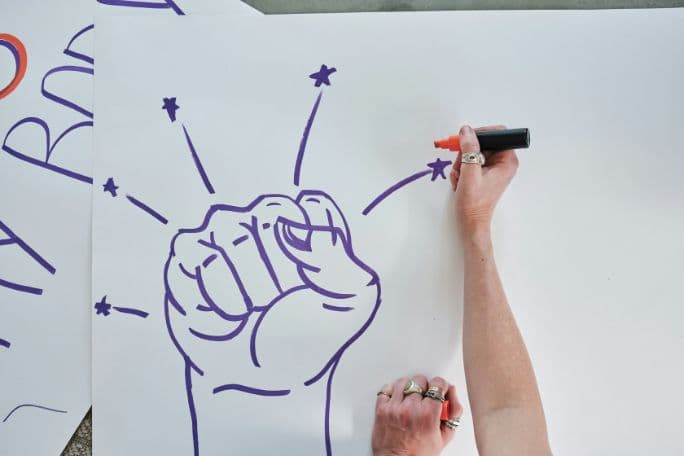
Courage To Care: How To Be an Upstander in Society
This unit empowers students to understand the Pyramid of Hate, analysing how stereotyping can lead to prejudice, discrimination, and violence and understanding its impact on individuals and society. By exploring the bystander effect and embracing the pivotal role of Upstanders - individuals who choose to intervene actively against injustice - students learn to challenge norms, alter the perpetrator-victim dynamic, and actively contribute to positive change in their communities. Through historical examples and practical strategies, students are inspired to design Upstander activities that support community groups, culminating in a practical application of their learning.
This unit was created in collaboration with Courage to Care, a not-for-profit organisation that educates Australians about the dangers of discrimination, including antisemitism and racism. Courage to Care Upstander Programs take inspiration from real-life extraordinary acts of courage and are based on the idea that ordinary people have the power to make a positive difference to the lives of others by being Upstanders. Their program inspires people to make a real difference in their community by standing up and taking action, creating real change.
Tune In
Students develop their vocabulary by defining terms and applying concepts relevant to the Pyramid of Hate continuum and explore the act of stereotyping and its impacts on victims, with a particular focus on how it can escalate into prejudice and discrimination.


Find Out
Students learn about the bystander effect, interrogate the reasons underpinning this response, and are introduced to the concept of Upstanders and challenging bystander inaction.


Take Action
Students examine various historical and contemporary events that saw Upstanders attempting to stop acts of violence towards others and design an Upstander action or movement that would support particular groups in their community.