Feature Image

Teaching Regenerative Agriculture and Sustainable Food Systems

Cool+

Go to

Course Summary

Video transcript

Are you ready to transform how your students think about food and farming? In this informative course, you'll discover the power of regenerative agriculture and how it's shaping the future of our food systems. Learn practical strategies for teaching sustainable farming methods, from soil science to biodiversity, and gain confidence in creating engaging lessons that connect students with their food and the environment. Join us in becoming part of the solution to one of our planet's most pressing challenges while meeting curriculum requirements across multiple learning areas. Your journey toward teaching sustainable food systems starts here.
You will learn:

Course time:

Accreditation:

Course Content

Regenerative Agriculture and Sustainable Food Systems

Regenerative Agriculture and Sustainable Food Systems

01.

Introduction

02.

Introduction to Regenerative Agriculture

03.

Soil Health

04.

Biodiversity in Farming Systems

05.

Water Management in Regenerative Agriculture

06.

Carbon Sequestration and Climate Change Mitigation

07.

Livestock Integration in Regenerative Systems

08.

Crop Diversity and Rotations

09.

Reducing Chemical Inputs

10.

Community Involvement and Knowledge Sharing

11.

The Future of Regenerative Agriculture and Call to Action

12.

Reflection

13.

Congratulations

Course Writer

Instructor 1

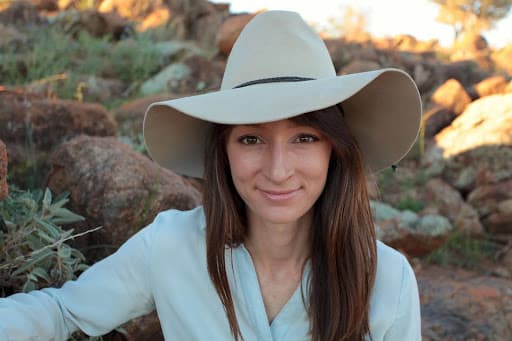
Dr Anika Molesworth is a farmer, scientist and storyteller. She is widely recognised for her work in agriculture and food systems and generating climate change awareness. Anika is the author of Our Sunburnt Country, which won the Royal Societies of Australia and New Zealand Writer’s Award for Outstanding Writing on Social Change. Other awards include Young Conservationist of the Year (2022), Young Australian of the Year, New South Wales Finalist (2017), and Young Farmer of the Year (2015). Anika is passionate about ensuring the best possible future for the planet, people and the food on our plates.

Frequently asked questions