Feature Image

Questions with Porpoise: Science and Cetaceans

Cool+

Go to

Course Summary

Video transcript

Carl Sagan, the renowned astronomer, once said, “Science is a way of thinking much more than it is a body of knowledge.” While we teach science, it is crucial to emphasize the processes and thinking behind it. Formulating and developing researchable questions are fundamental to guiding scientific research. This professional learning session highlights the importance of developing questions and how they guide both research and student inquiry. We explore how this applies to marine science, focusing on the intriguing yet notoriously challenging study of cetaceans - whales, dolphins, and porpoises.
You will learn:

Course time:

Accreditation:

Course Content

Questions with Porpoise... Science and Cetaceans

Questions with Porpoise... Science and Cetaceans

01.

Introduction

02.

Hey Miss, I want to be a marine biologist…

03.

Studying cetaceans

04.

Questions guide our research

05.

Developing research questions

06.

Developing methodologies based on our question

07.

Port Phillip common dolphins, a case study

08.

Technology helping us answer questions

09.

Marine research - your own investigation

10.

Communicating your findings (your findings lead to more questions)

11.

How do you support the student who says, “Hey Miss, I want to be a marine biologist…

12.

Reflection

13.

Congratulations

Course Writer

Instructor 1

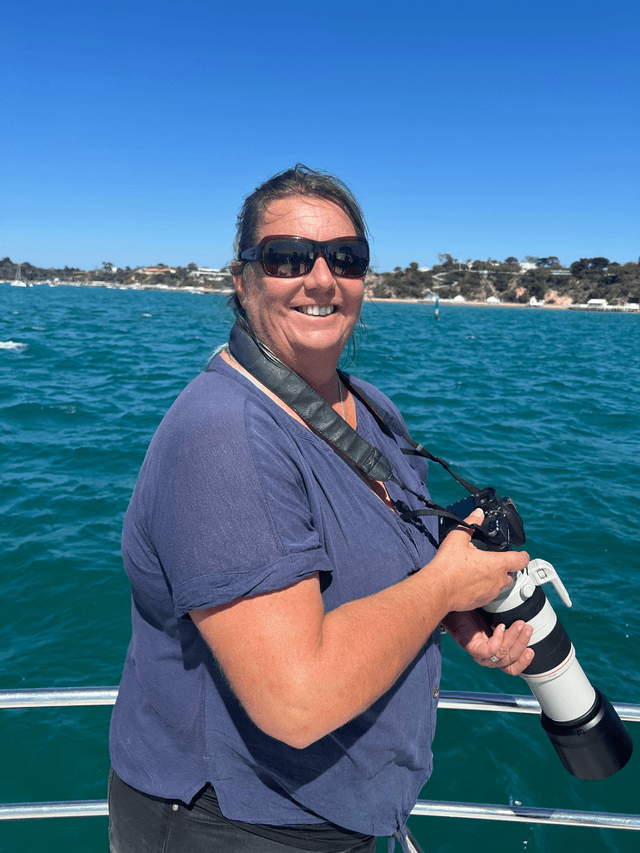
Sue Mason is a marine scientist with a passion for connecting people to the unique marine life on their doorstep. Originally a primary school teacher, Sue’s journey into marine science began unexpectedly while volunteering on a humpback whale research project in Hawaii. Captivated by these incredible creatures, she returned for multiple seasons before completing a Bachelor of Science (Honours) and a PhD focused on Port Phillip’s common dolphins. Now, she runs 'Cetacean Sisters' workshops on Phillip Island and the Mornington Peninsula, inspiring the next generation of female scientists and advocating for evidence-based conservation.

Frequently asked questions