How to Build Good Relationships With Parents, Families and Carers
Cool+
Go to
Course Summary
Course Content

Getting Started
01.
Introduction
02.
Set some learning goals
The Importance of Connecting with Families
03.
Why family involvement in education is important
04.
Developing partnerships with families
05.
Different types of families
06.
Culturally responsive practices
07.
Effective communication with families
The Role of the Teacher
08.
Your role
09.
Building connection and trust
10.
What to communicate
11.
Barriers
Strategies
12.
Making time to talk with families
13.
Communication strategies
14.
Proactive ways to involve families
15.
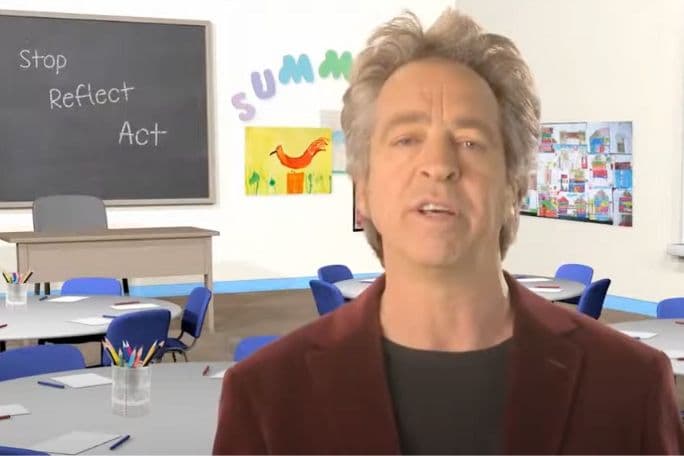
Stop, Reflect, Act
16.
Stop, Reflect, Act in action
17.
Managing difficult relationships
18.
Taking care of yourself

Reflection
19.
Reflection
20.
Taxonomy of learning
21.
Suggestions for collaboration
22.
Congratulations
Course Writer

Madelaine Imber is a leadership coach and instructional designer with experience across a diverse range of educational settings including schools, government departments, TAFEs, universities and the not-for-profit sector. She is passionate about good quality teacher professional learning.

Jarryd Bendall from Cool Australia is your course teacher. He comes from a long line of teachers, which is why he initially avoided this calling. After a myriad of roles in law, medicine, used car sales, and as the mascot for the Western Bulldogs AFL team, Jarryd eventually taught primary school for a number of years, before combining his love for writing and education at an Education Specialist role with Cool. This role sees him as a bridge between knowledgeable industry experts and classroom teachers, bringing excellence into the classroom and challenging the average curriculum with innovative and effective ideas.