How to Use Digital Tools for Effective STEM Learning
Cool+
Go to
Course Summary
Course Content
Getting Started
01.
Introduction
02.
Why digital STEM technologies?
03.
Set some learning goals
Fostering Creativity through ShowMe
04.
Fostering creativity through ShowMe
05.
Teacher's guide to ShowMe
06.
Creating mixed media images (Student guide to ShowMe)
07.
STEM applications for ShowMe- (Reflection)
Digital equality with Scratch
08.
Digital equality with scratch
09.
Teacher's guide to Scratch
10.
Creating a sprite (Student guide to Scratch)
11.
STEM applications for Scratch(Reflection)

Growth mindset with Tinkercad
12.
Growth mindset with Tinkercad
13.
Teacher's guide to Tinkercad
14.
Creating a 3D shape (Student guide to Tinkercad)
15.
STEM applications for Tinkercad (Reflection)
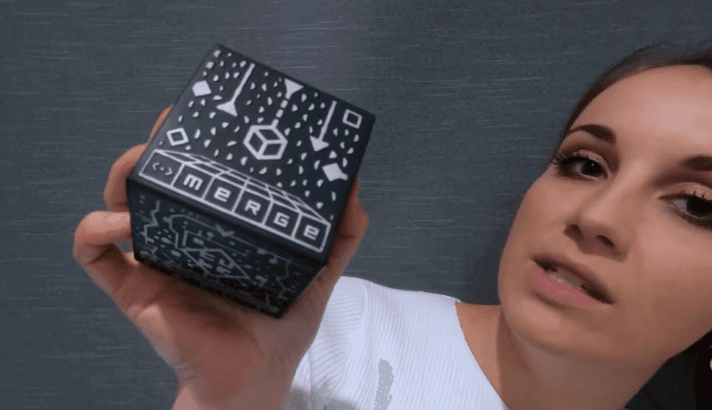
Visual literacy and numeracy responses with Merge Cubes
16.
Visual literacy and numeracy responses with Merge Cubes
17.
Teacher's guide to Merge Cubes
18.
Creating visual responses (Student guide to Merge Cubes)
19.
STEM applications for Merge Cubes

Artificial intelligence with machine learning for kids
20.
Artificial intelligence with Machine Learning for kids
21.
Teacher's guide to MLK
22.
Training an AI (Student Guide to MLK)
23.
STEM Applications for MLK
Reflection
24.
Recap
25.
Taxonomy of learning
26.
Suggestions for collaboration
27.
Cool lesson plans
28.
Congratulations
Course Writer
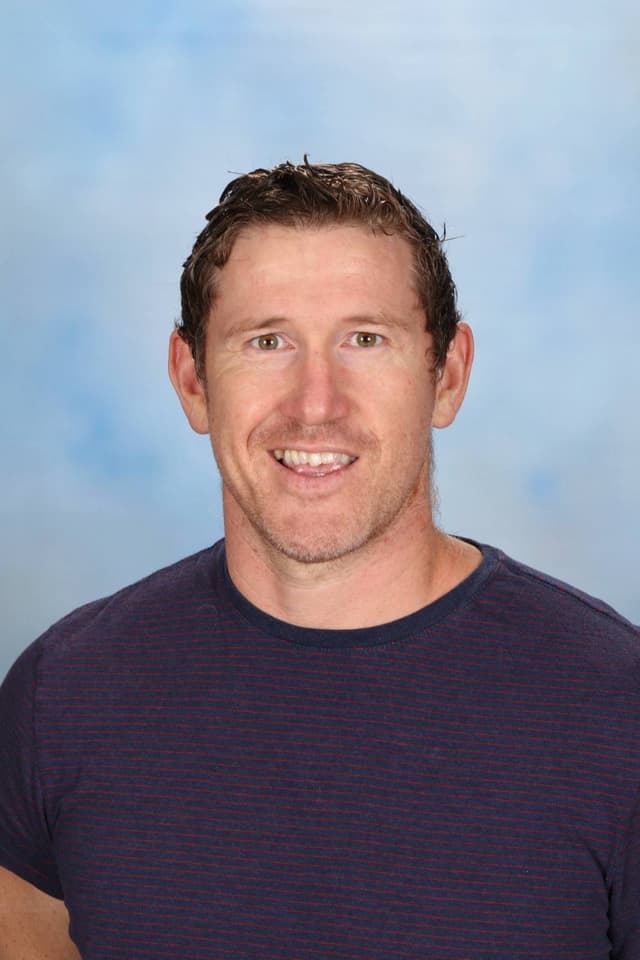
Nick Pattison is a world-leading STEM educator with a focus on the primary years of education. He is currently pursuing his doctorate of education at the University of South Australia exploring the application of virtual reality environments to enhance learning in Maths, design thinking and Indigenous knowledge systems. He has extensive experience developing world-leading STEM education programs where community, industry and schools work together, which has resulted in several peer-review published papers, industry used products and the development of commercially viable intellectual property.

Lauren Sutherland is currently working in a STEM specialist teaching role, in Melbourne, Victoria. She is leading collaborations and co-presenting with international educators from as far away as Brazil, San Diego, Hawai’i, New York and New Zealand. Lauren values connecting with the local community, especially Indigenous groups. She has recently collaborated alongside local Indigenous groups to use Virtual Reality (VR) to represent an Indigenous Acknowledgement of Country and has used Augmented Reality (AR) to support students in forming a response to visualise their understanding of Indigenous knowledge and systems. Lauren also co-presented at the 2021 Deeper Learning Conference for High Tech High. In this session, she explored how students can use 3D modeling to create Indigenous place-based metaphors to represent growth mindset. Lauren aspires to help educators and other professionals embed STEM across the curriculum, alongside other specialist subjects and areas, especially in primary school settings.